Strategy & Business Model
Concept · Positioning · Business model · Operating model
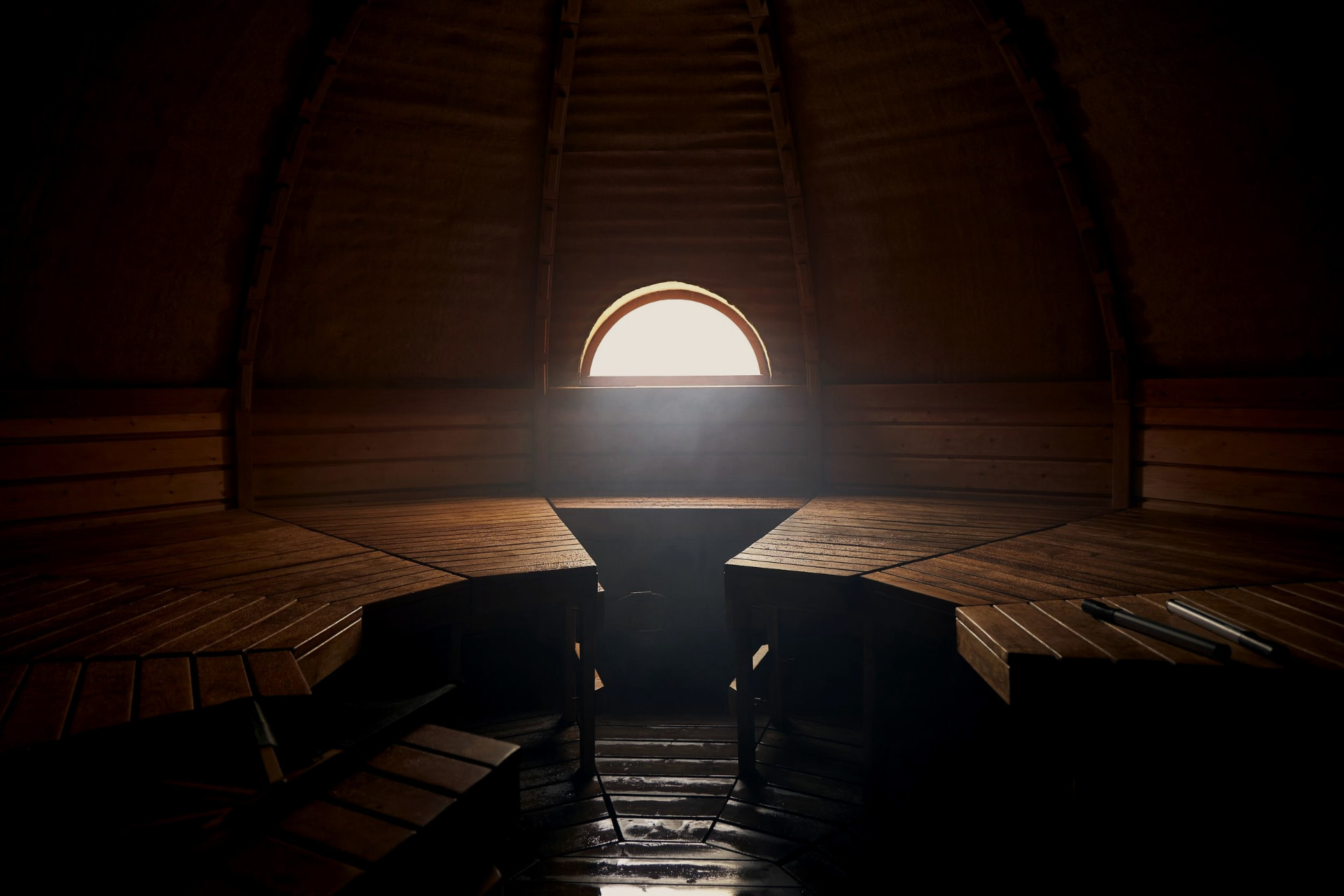
Traditional thermal cultures were never built around heat alone.
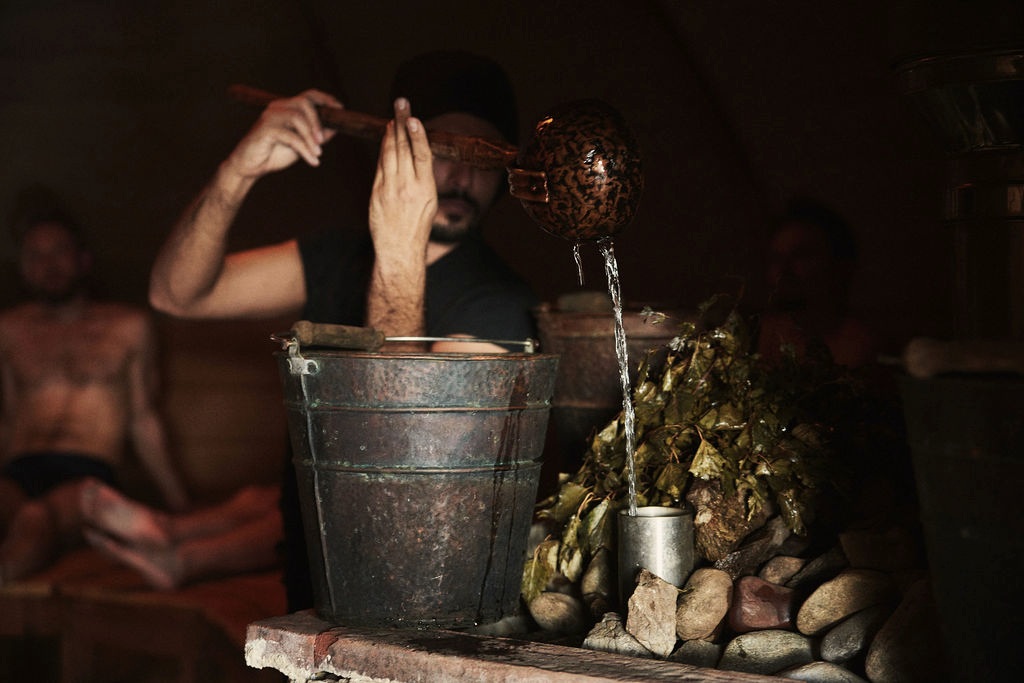
They developed a sophisticated understanding of how the environment, ritual and skilled guidance could work together to shape experience.
Much of modern wellness has reduced this tradition to temperature and equipment.
Cella begins with a different premise: the real potential of thermal culture lies in recovering that depth — and carrying it forward.
Most bathhouses are built around fixed room types — sauna, steam, cold.
Cella starts with a different model: thermal environments that can change deliberately over time.
The goal is not variation for its own sake. Each experience is designed to create a deliberate shift in human state.
Instead of one room producing one experience, the same environment can support many different programmed and guided experiences.
The result is a far wider range of experiences — with greater depth, precision and repeatability.
Rooted in traditional bathhouse practice, Cella designs the thermal environment from the ground up using contemporary engineering and control.
Architecture, bench geometry, heating, steam and ventilation are developed as one system to shape how heat, moisture and air move through the space.
The result is an environment that can move from dry sauna-like heat to dense steam, redistribute heat and moisture, bring steam lower, or deliver cooler air directly to the breathing zone — with precise control of the microclimate.
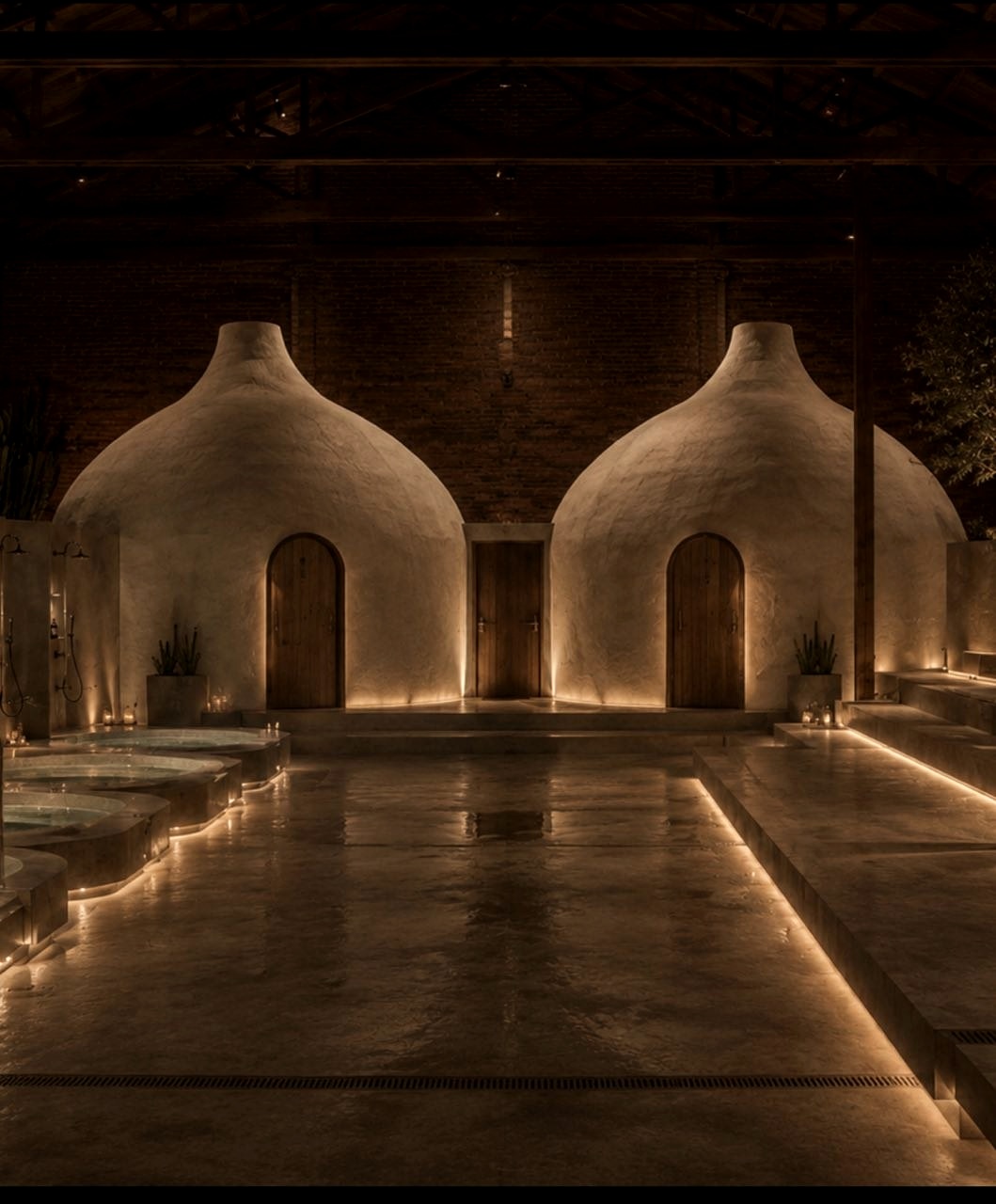
One operating system coordinates heating, steam, airflow, water dosing and lighting into a designed thermal program.
Each program defines how these systems change and interact through a session — in a sequence built around a specific experiential goal.
Programs are developed through practice, observation and physiology, then tested in real sessions, refined and repeated.
Over time, this creates an evolving library of tested thermal programs.
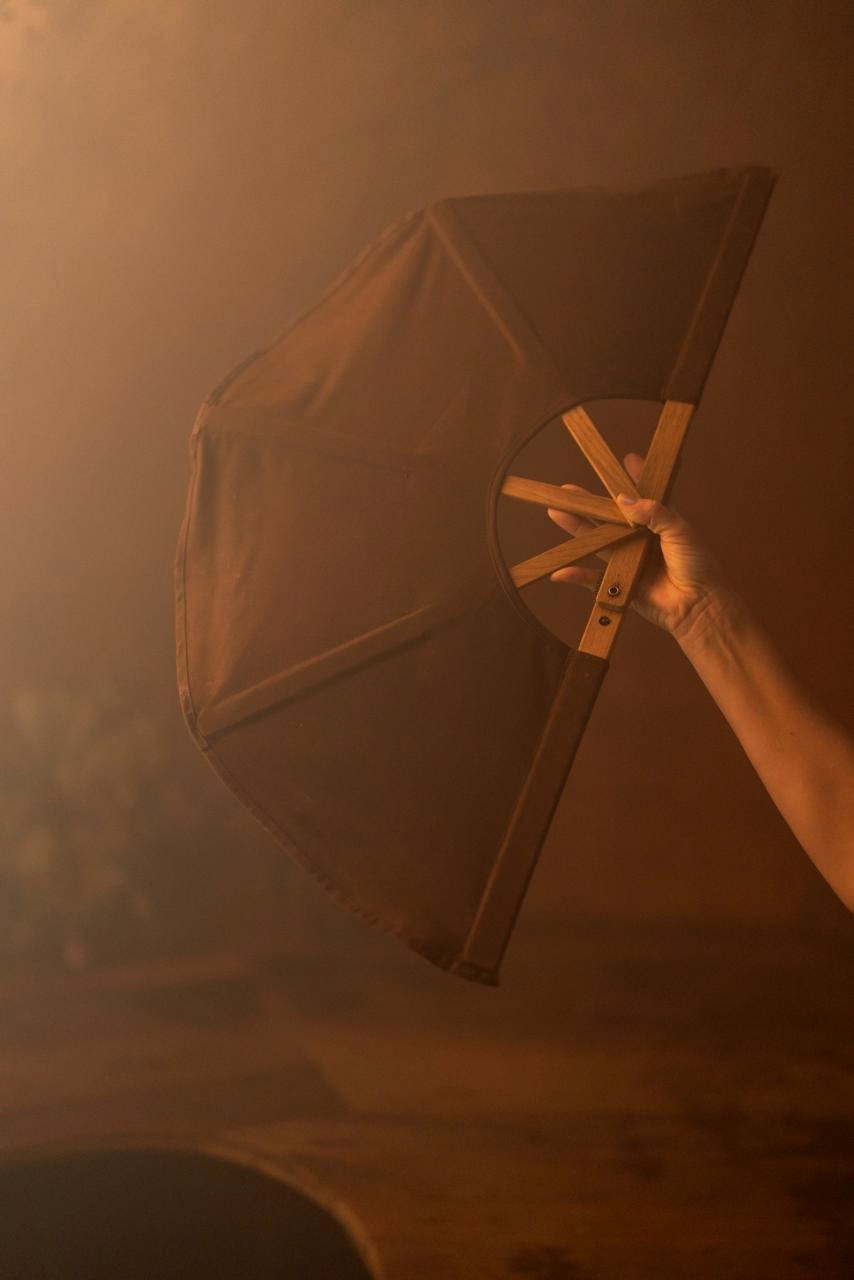
Cella supports both autonomous and guided thermal experiences.
In autonomous mode, the system can run complete, repeatable thermal programs without continuous practitioner control.
In guided sessions, practitioners can work with the full capabilities of the environment — from gentle heat and long meditative sessions to intense heat, steam, cold, music and multisensory experiences.
This reduces dependence on specialist staffing for everyday operation, while expanding what guided sessions can become.
Cella can deliver the thermal room as a complete physical product.
Designed, engineered and produced as one integrated system — architecture, thermal equipment, ventilation, controls and programming.
The complete room is tailored to the project and delivered for integration into the surrounding building.
From design through production and delivery, coordinated by Cella.
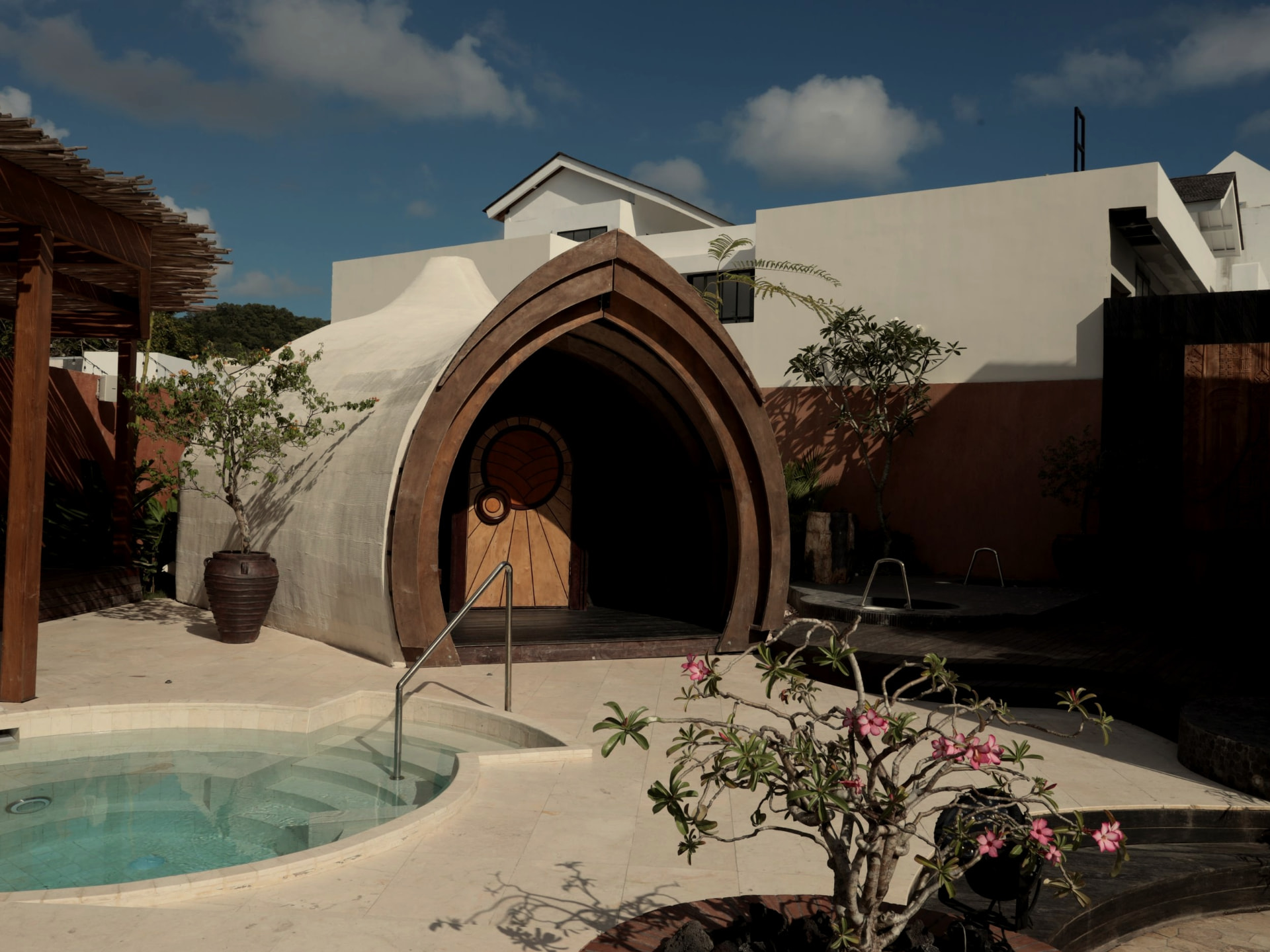
The thermal product is the core — but its full potential depends on how it is integrated into the project around it.
Concept · Positioning · Business model · Operating model
Spatial planning · Guest flow · Thermal journey · Materials & atmosphere
Thermal design · Heating & steam · Ventilation · Automation & control
Testing · Training · Launch · Ongoing refinement
Cella stays through commissioning, launch and early operation — tuning the system and its programs in practice.
Test and tune the system under operating conditions.
Develop and tune thermal programs for the specific project and operating model.
Prepare practitioners and operating teams to run sessions confidently and consistently.
Learn from real sessions and continue improving after opening.
Cella grows out of hands-on thermal practice — designing and operating thermal centers, guiding guests and training practitioners.
of thermal practice
thermal spaces designed and built
thermal centers in Los Angeles, Bali and Lisbon.
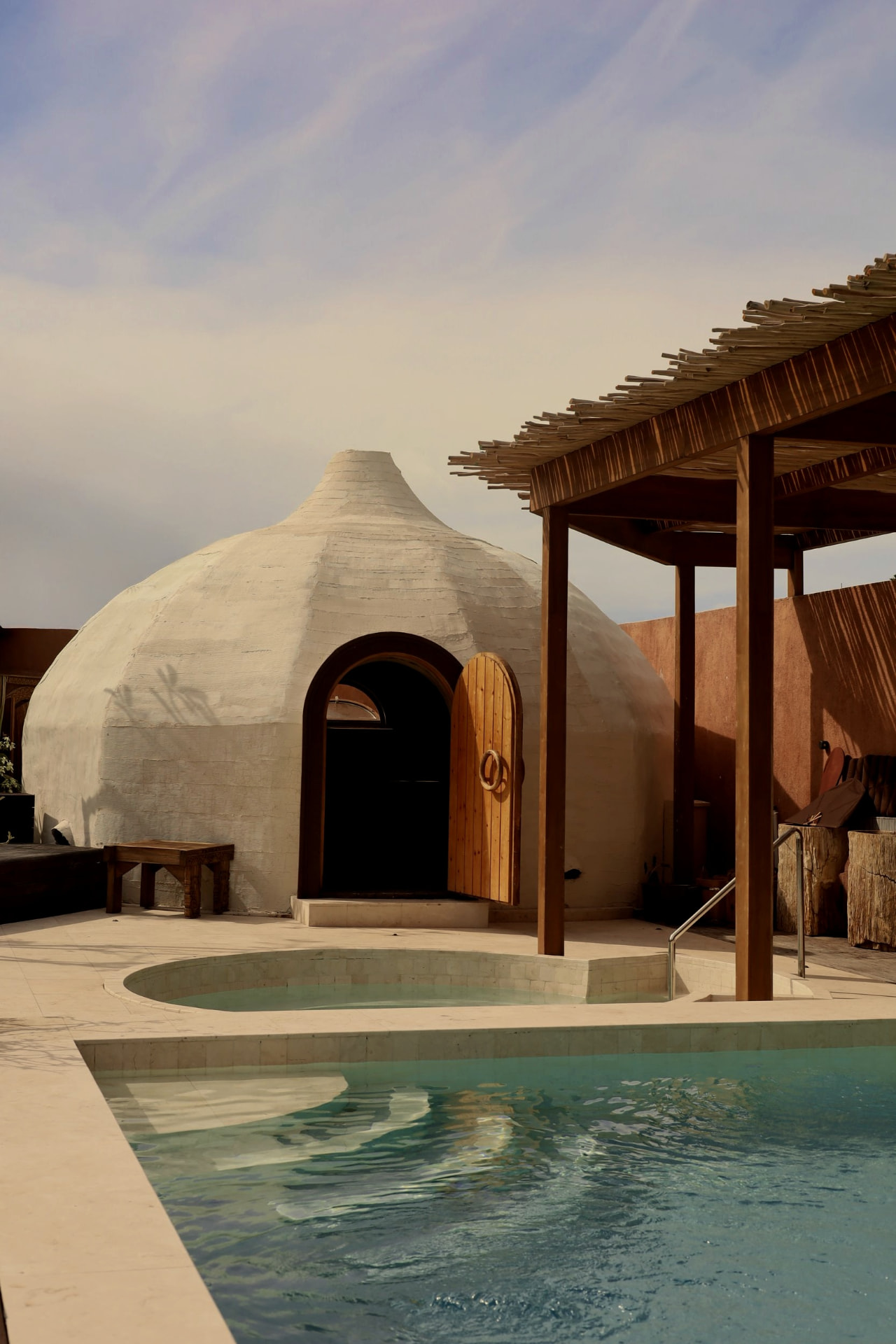
For new and existing bathhouses, hotels, resorts and private clubs.